
Failed Projects
Documenting technical dead-ends, sensor reverse-engineering hurdles, and the lessons learned from ambitious ideas placed on hold.
Timeline
2024 — Archived
Role
Hardware Prototyping & R&D
Primary Target
Mamiya RB67 Digital Back
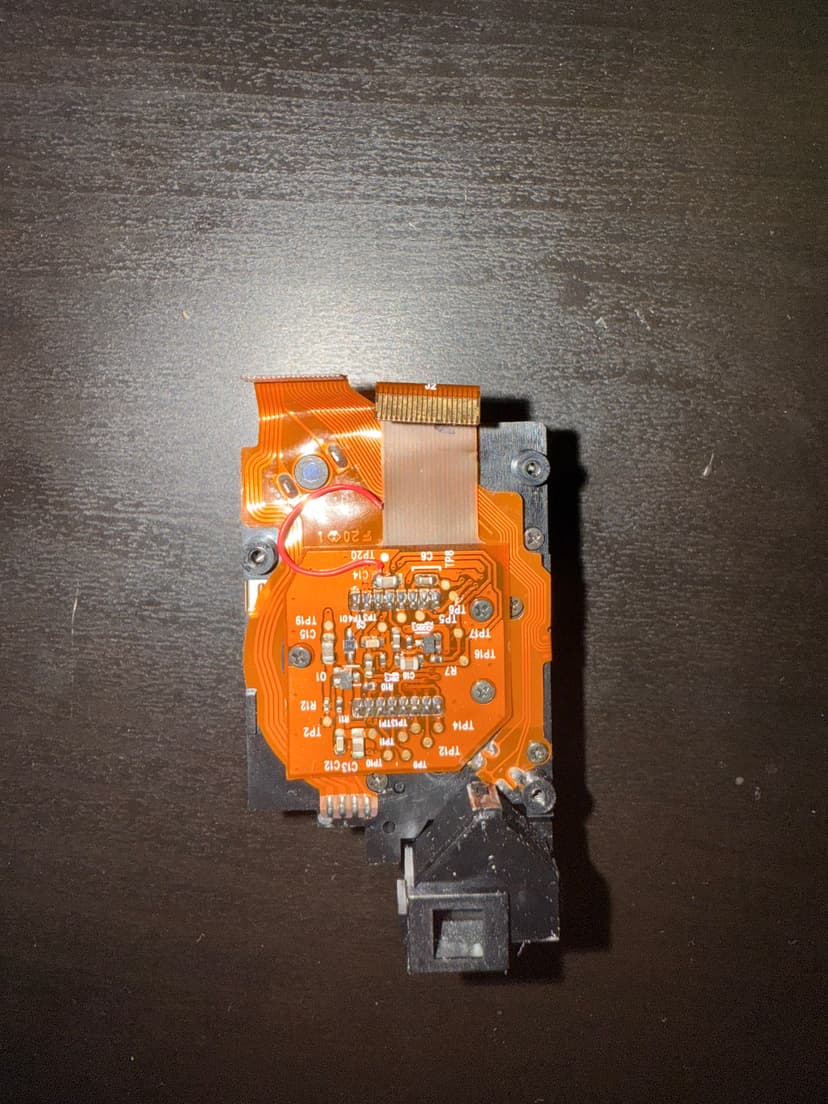
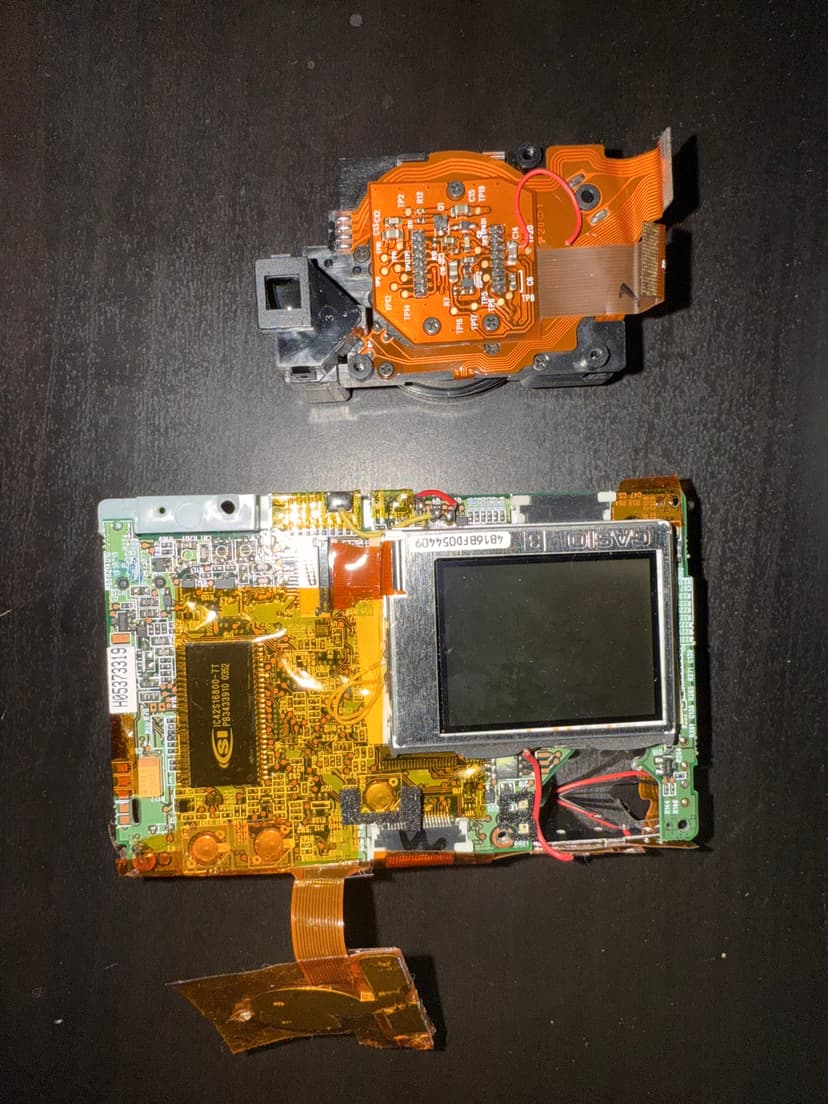
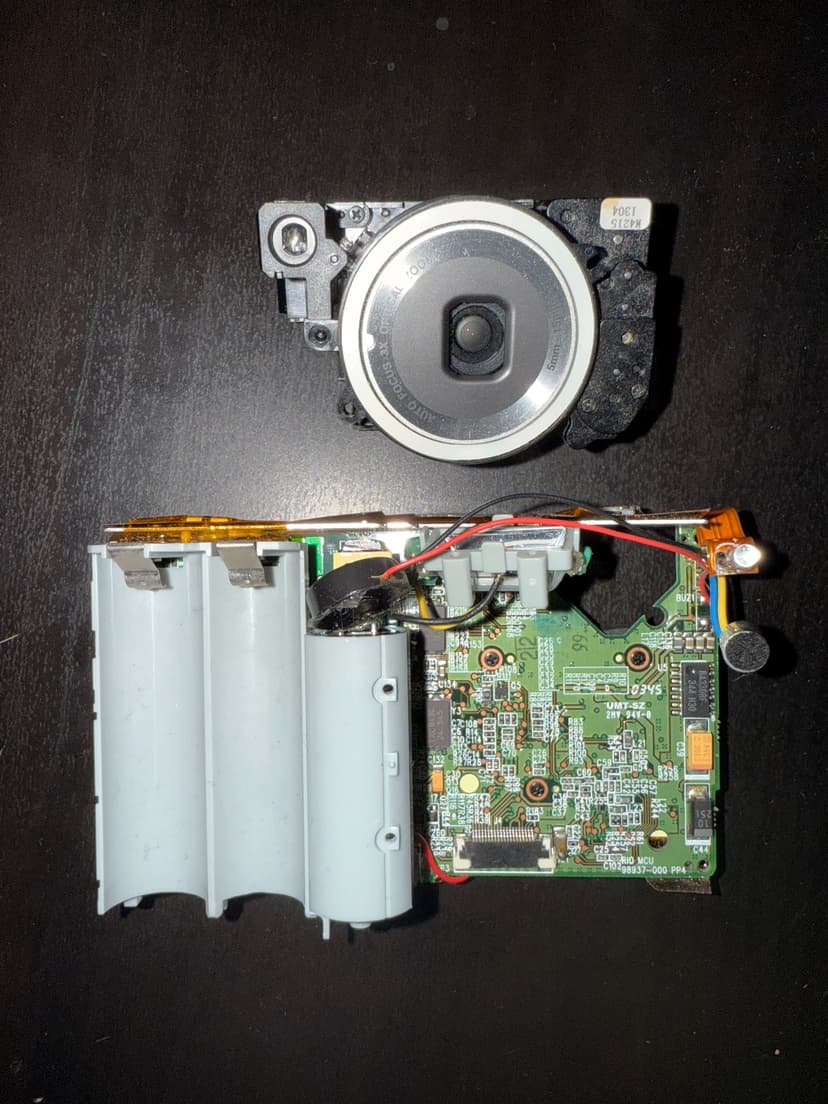
Raspberry Pi Zero & Harvested CCD SensorStatus
Archived & Documented
Case Study: Digital Back for Film Cameras
This project set out with an audacious goal: build a DIY open-source digital back for the legendary Mamiya RB67 medium format film camera. Commercial digital backs for vintage medium format cameras cost thousands of dollars. The hypothesis was simple: harvest an image sensor from an inexpensive, retired early-2000s compact camera, interface it with a Raspberry Pi Zero, and mount it inside a customized dark-slide magazine.
The reality of hardware engineering quickly introduced hard physics and electrical roadblocks. With no pinout diagrams available for the vintage sensor assembly, reverse-engineering the clock, shutter synchronization, and parallel video streams pushed beyond the capabilities of an unshielded Raspberry Pi GPIO header without a dedicated FPGA bridge. Ie. I chewed more than I could eat.
“Failure is simply the opportunity to begin again, this time more intelligently.”
Post-Mortem Lessons
Proprietary Sensor Pinouts
Early 2000s compact camera sensors lack public datasheets; probing 24-pin microscopic flat flexible cables (FFC) without schematics proved extremely difficult.
Extreme Crop Factor Realities
Projecting a colossal 56mm × 67mm medium format image circle onto a tiny 1/2.3-inch point-and-shoot sensor results in an unwieldy 5.6× crop factor.
Enclosure Thermal Budgets
Housing a continuous Linux compute engine, battery charging module, and image sensor inside a sealed light-tight chamber produced significant thermal noise.
Foundations for Future Hardware
The debugging techniques and signal analysis mastered here directly unlocked later breakthroughs in Bluetooth reverse engineering and portable cyberdecks.
Hardware Exploration Specifications
| Component / Subsystem | Observed Behavior & Constraints |
|---|---|
| Host Camera Body | Mamiya RB67 Professional S (6×7 Medium Format Mechanical SLR) |
| Prototyping Single-Board Computer | Raspberry Pi Zero W (Broadcom BCM2835 ARM11 @ 1GHz) |
| Target Sensor Harvest | Early 2000s consumer compact digital camera CMOS/CCD assembly |
| Interconnect Bus | High-density 24-pin Flat Flexible Cable (FFC) with manual breakout probes |
| Optical Format Challenge | 56 × 67 mm analog film frame vs. 6.17 × 4.55 mm digital sensor (~5.6× crop) |
| Diagnostic Tools Utilized | Digital multimeter, logic analyzer, custom 3D-printed mounting brackets |
| Project Status | Archived / On hold in favor of microcontrollers and wearable HUD systems |
Exploratory Tools & Hardware
Fail Forward
Read about my working hardware adventures with the uConsole cyberdeck or explore my software creations.